How Do Companies Define Powertrain Coverage?

Ever wondered what exactly “powertrain coverage” means when you see it in a car ad or warranty brochure? In short, powertrain coverage protects the most essential (and expensive) parts that make your car move: the engine, transmission, and drivetrain. However, as simple as that sounds, the actual definition can vary depending on the company, the type of warranty, and even the fine print. Let’s break it down through the questions car buyers ask most.
Powertrain Warranty What Does It Cover

What Does "Powertrain" Actually Include?

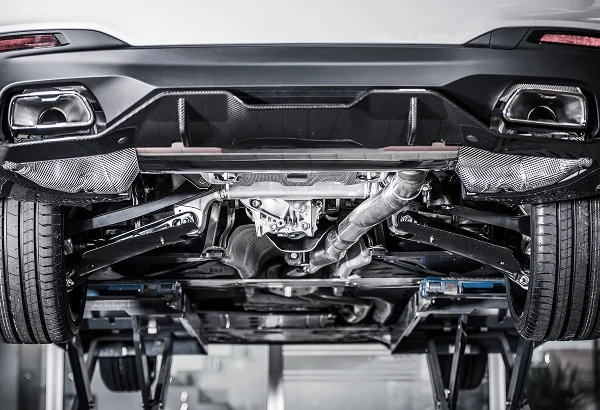
The word powertrain refers to the system of components that generate and deliver power to your car’s wheels. That includes:

  • Engine: the heart of your vehicle, including internal parts like the cylinder block, oil pump, and timing belt.
  • Transmission: which transfers engine power to your drive axles.
  • Drive Axles: the parts that connect your transmission to your wheels, including u-joints and constant velocity (CV) joints.
  • Transfer Case: found in four-wheel drive (4WD) and all-wheel drive (AWD) vehicles, managing power distribution between front and rear wheels.
In short, powertrain coverage focuses on the mechanical components that “deliver power” and keep your vehicle moving. It does not include the comfort or convenience features of your car.

Powertrain Warranty Coverage

A powertrain extended warranty covers the repair or replacement of parts that generate power and deliver it to the wheels. This typically includes:

  • Engine and all internal parts
  • Transmission and torque converter
  • Drive shafts and differentials
  • Seals and gaskets related to these systems
It protects you from the cost of major mechanical repairs if these components fail due to manufacturing defects or faulty materials, rather than from normal wear and tear or inadequate maintenance.
For example, if your oil pump fails or the rear-wheel drive system breaks due to a covered defect, your powertrain warranty would typically cover the repair within the warranty terms.
Powertrain Warranty Worth It

How Long Does a Powertrain Warranty Last?

Most factory powertrain warranties last five years or 60,000 miles, whichever comes first. Some automakers extend that even further, offering up to 10 years or 100,000 miles of coverage on select new vehicles.

Here’s a quick comparison of typical warranty terms:

  • Factory (Bumper-to-Bumper) Warranty: 3 years / 36,000 miles
  • Powertrain Warranty: 5 years / 60,000 miles
  • Extended Powertrain Warranty: Up to 10 years / 100,000 miles or more

Each automaker or warranty provider sets its own limits and conditions, so always review your vehicle’s warranty booklet or contact your dealer for the exact details.

Powertrain Coverage vs. Bumper-to-Bumper Warranty

A bumper-to-bumper warranty (sometimes called a comprehensive warranty) is the most inclusive form of protection. It typically covers almost everything between your front and rear bumper, from electronics and air conditioning to power windows and sensors.

A powertrain warranty, on the other hand, is narrower. It covers the core systems that keep your car running, not the comfort features.

Think of it this way: bumper-to-bumper coverage keeps your car comfortable; powertrain coverage keeps it moving.

What's Not Covered Under Powertrain Warranty?

Warranty companies are quick to list what’s covered, but the excluded components matter just as much.

Here’s what most powertrain warranties do not cover:

  • Wear and tear items like brake pads, tires, or clutch linings
  • Maintenance items such as oil changes, tire rotations, and coolant hoses
  • Cosmetic parts (paint, trim, interior materials)
  • Accessories like infotainment systems or air conditioning units

These are typically handled under a comprehensive coverage or service contract, not the powertrain warranty. That’s why reading the fine print is essential; two warranties might sound identical but differ drastically in what they actually include.

How Long is a Powertrain Warranty

Why Companies Define Powertrain Coverage Differently

The definition of powertrain coverage can vary for different warranty companies, depending on:
  • Manufacturer Standards: Each automaker determines what constitutes a “powertrain component.” For instance, some include the fuel system, others don’t.
  • Vehicle Type: A rear-wheel-drive truck may have different covered components than a front-wheel-drive sedan or an all-wheel-drive SUV.
  • Mileage Limits: Some brands base their warranty on time (in years), while others base it on distance (in miles).
  • Service Requirements: Skipping oil changes or regular maintenance could void your warranty entirely.
While “powertrain” generally refers to the same core system, the coverage details can vary from one provider to another. 

How Does an Extended Powertrain Warranty Work?

When your factory warranty expires, you can often purchase an extended powertrain warranty.

This type of service contract provides coverage for major components, such as the engine, transmission, and drive axles, often extending up to 100,000 miles or beyond.

Extended warranties are especially valuable for car buyers who plan to keep their vehicles for many years. The longer you drive, the higher your chances of unexpected repairs for expensive components such as:

  • Engine transmission systems
  • Cylinder block or oil pan failures
  • Timing belt or u-joint replacements
  • Transfer case or wheel bearing issues

In other words, an extended warranty helps reduce the risk of paying out-of-pocket for costly powertrain repairs after your factory coverage expires.

Is an Extended Powertrain Warranty Worth It?

That depends on your situation. Ask yourself these questions:

  • How long do you plan to keep your car? If you trade in your car every 3 years, you’ll likely stay within your factory coverage. But if you opt for extended powertrain coverage in the long term, it may be a smart investment.
  • What’s your car’s reliability record? Vehicles with a strong history of engine or transmission issues benefit most from an extended powertrain plan.
  • Can you handle expensive repairs out of pocket? A major engine repair or transmission replacement can easily cost several thousand dollars. A warranty cushions that financial blow.
  • Do you follow regular car maintenance? Missing oil changes, ignoring the timing belt, or skipping coolant flushes can void any warranty, including extended ones.

While it’s not mandatory, an extended warranty provides peace of mind for car owners who value protection against unexpected breakdowns.

Roadside Assistance & Extra Perks

One of the main benefits of extending roadside assistance is the added convenience. Many extended auto warranty options include fuel delivery, towing, jump-starts, or even lockout assistance. For GMC Sierra drivers who haul or travel long miles, that backup is worth the extra money.

Some packages also include security service add-ons or help with maintenance. Again, the fine print under each auto protection plan makes all the difference.

The Maintenance You Need With Powertrain Coverage

Even with the best warranty coverage, routine maintenance is still your responsibility.

That includes:

  • Regular oil changes and tire rotations
  • Replacing coolant hoses and timing belts when due
  • Checking wheel bearings and drive axles during inspections
Skipping these can lead to wear and tear that no warranty will cover, or worse, void your contract altogether. Remember: warranties protect against defects, not neglect.
Does Powertrain Warranty Cover Electrical
Powertrain Warranty Hyundai

Final Thoughts: Defining Powertrain Coverage the Right Way

So, how do companies define powertrain coverage? While the core idea remains the same: protecting your car’s engine, transmission, and drivetrain, the specific details can differ widely.

Some cover only the essential components, while others extend protection to related systems as well. Some last for the last five years or 60,000 miles, while others last up to ten years or 100,000 miles. 

The key is to understand what your warranty covers and what it doesn’t, so you can drive confidently, without worrying about the next expensive repair.

Frequently Asked Questions

A: Car warranties typically cover repairs to the vehicle’s mechanical and electrical systems. Extended warranties offer coverage beyond the factory warranty, including roadside assistance and rental car reimbursement. These warranties often cover components such as the engine, transmission, and electrical systems, providing a safety net against unexpected breakdowns.

A: Yes, extended warranties can be particularly beneficial for used cars. They provide coverage once the factory warranty expires, protecting against costly repairs. The cost of an extended warranty for used cars can vary, with an average price of $1,227 per year, influenced by factors such as vehicle age and coverage options. Used cars are more inclined to mechanical issues due to wear and tear, making an extended warranty a wise investment to safeguard against unforeseen expenses.

A: Many extended warranty companies, including CarShield and Carchex, provide car owners with flexible monthly payment options to make coverage more affordable. This flexibility allows car owners to budget for warranty costs without a significant upfront payment, making it easier to manage expenses while ensuring vehicle protection.

Contact Consumer Warranty Choice for Extended Warranties

Want to learn everything about powertrain extended warranties? Consumer Warranty Choice shares every detail about auto extended warranties and offers a detailed comparison between various warranty providers

You can choose from auto warranty companies like Nova Warranty and Olive Warranty. Contact us today to discover the ideal extended warranty for your vehicle. 

Top 5 Extended Warranty Companies

Nova Warranty
Best for automobiles with up to 180k miles
Competitively priced & offers a 100% free quote
Exotic & Supercar warranty Provider
Rated one of the best extended warranty providers
Includes a 30-day money back guarantee
Get A Free Quote
Major Auto Protect
Nationwide Protection
24/7 Roadside Assistance
Plans are tailored to your needs
Selection of easy-to-understand plans & policies
Claims paid directly to the repair facility of your choice
Get A Free Quote
Carchex
Popular Choice with Customizable Coverage
Enjoy a FREE Year of Elite Benefits*
BBB Accredited Business With A+ Rating
Rated one of the best extended warranty providers
Includes a 30-day money back guarantee
Get A Free Quote
Olive
Offers extended warranties for vehicles with 0-200k miles
Features a variety of warranty plans to select from
Parts & labor covered with flexible payment plans
Fully transferable to a new car
Use at any ASE-certified repair facility
Get A Free Quote
Get $500 off your first purchase
Large network of over 350,000 mechanics across the USA
Ranked one of the top extended warranty providers
Accepts new or used/pre-owned vehicles from 2010 or later
A+ rated BBB accredited business
Get A Free Quote
Get $500 off your first purchase
Large network of over 350,000 mechanics across the USA
Ranked one of the top extended warranty providers
Accepts new or used/pre-owned vehicles from 2010 or later
A+ rated BBB accredited business
Get A Free Quote