If you’re researching a problem with the Jeep Wrangler, the most common concerns are death wobble, electrical issues, water leaks, suspension wear, and occasional engine or transmission problems. While the Wrangler remains one of the most capable off-road vehicles on the market, some model years are more reliable than others.
That doesn’t mean you should avoid buying a Wrangler. With proper maintenance and careful model-year selection, many Wrangler owners enjoy well over 200,000 miles of dependable service.
Why the Jeep Wrangler Has Such a Loyal Following
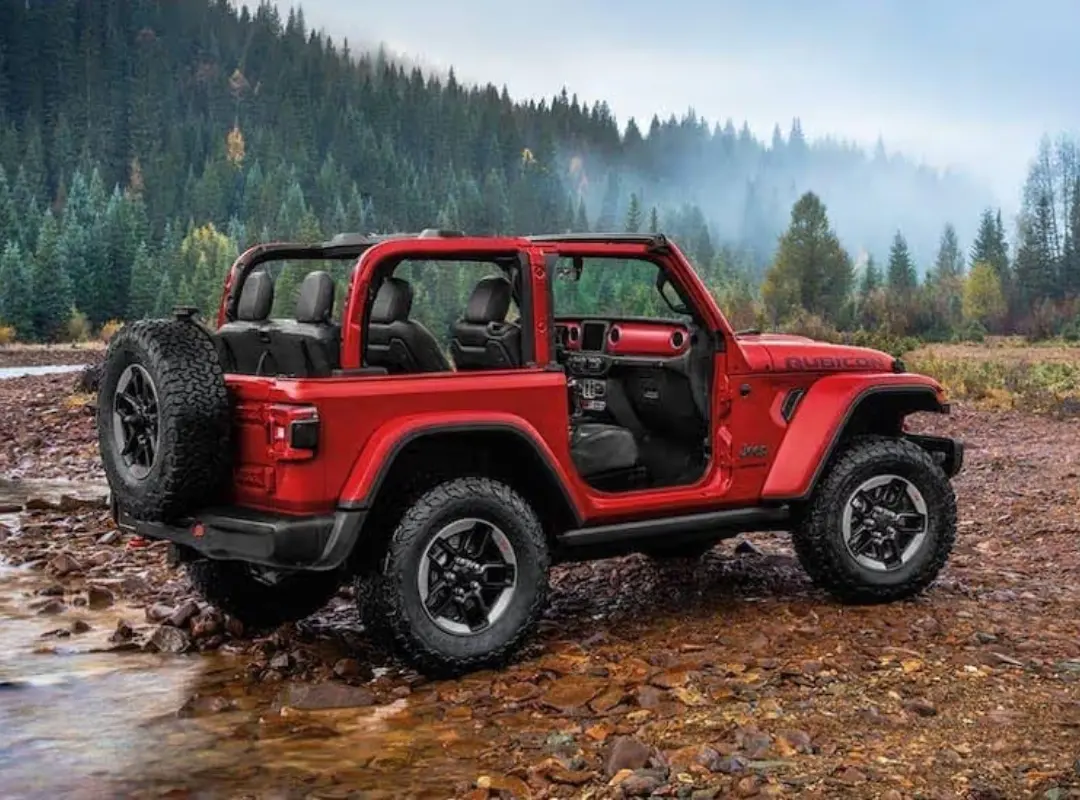
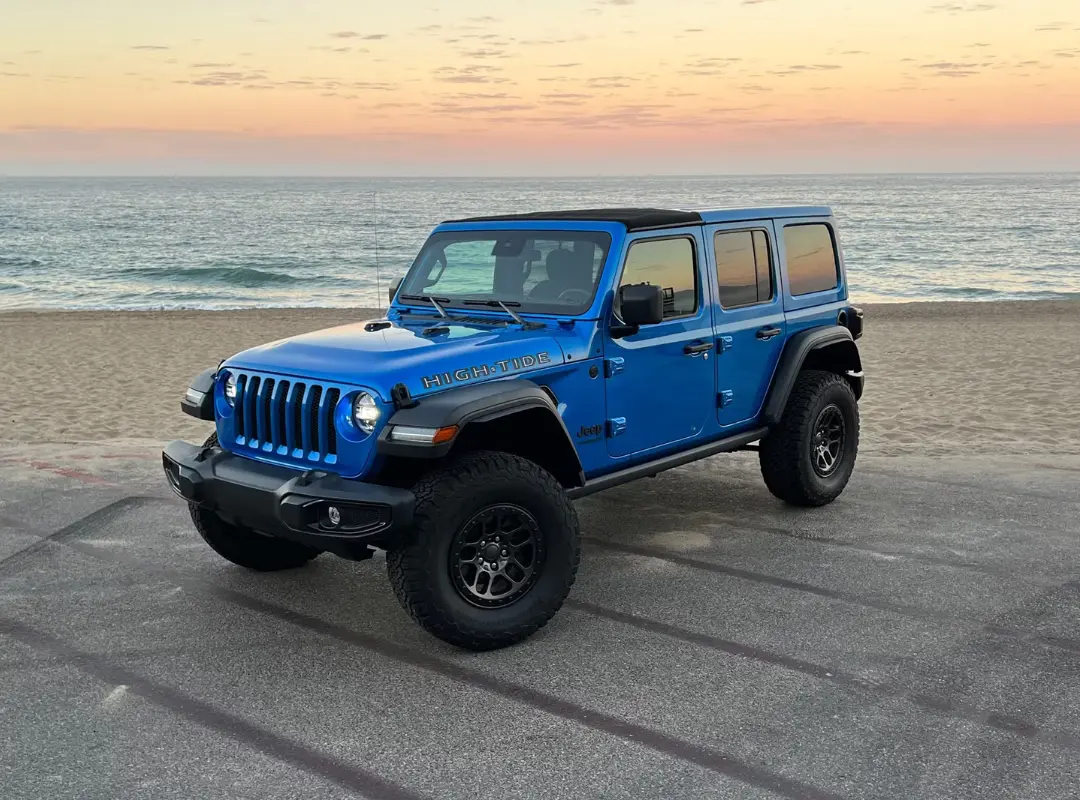
The Jeep Wrangler is unlike most SUVs. It’s first and foremost an adventure vehicle, with solid axles, removable doors, four-wheel drive, and impressive off-road capability.
That rugged design comes with trade-offs. Compared with crossover SUVs, Wranglers tend to require more maintenance and may develop suspension and steering issues sooner, especially if they’re frequently driven off-road or modified with oversized tires and lift kits.
If you’re shopping for a used Wrangler, understanding the most common problems can help you avoid expensive surprises.
While the Wrangler requires a hands-on approach to upkeep, other rugged family SUVs face similar wear patterns, which is why researching Jeep Grand Cherokee extended warranty plans is also incredibly popular for drivers looking to protect their mid-size off-roaders.
Most Common Jeep Wrangler Problems
Following are the most common Jeep Wrangler problems
1. Death Wobble
The death wobble is perhaps the most well-known Jeep Wrangler problem. It isn’t a defect caused by a single failed part. Instead, it’s usually the result of excessive wear or looseness somewhere in the steering or suspension system.
Symptoms include violent steering wheel shaking and front-end vibration after hitting a bump, along with a loss of driver confidence at highway speeds. Several components may contribute, including a worn track bar, loose steering components, and worn ball joints. Damaged tie rods, improper wheel alignment, and unbalanced tires can also play a role.
Because steering linkage and control arms on these 4x4s bear the brunt of off-road trails, securing suspension components coverage under extended warranty can save you thousands in front-end rebuilds.
How to Fix the Problem With the Jeep Wrangler Death Wobble
The solution depends on the root cause. A qualified technician should inspect the track bar bushings, ball joints, and steering linkage. Control arms, suspension mounting points, tire balance, and alignment should also be checked. Replacing only one worn component may not permanently solve the issue if other parts are also worn.
2. Electrical Issues
Modern Jeep Wranglers contain significantly more electronics than earlier generations.
Some owners report:
- Dashboard warning lights
- Engine light activation
- Battery drain
- Electrical failure
- Faulty wiring harnesses
- Power window problems
- Infotainment glitches
Electrical issues often require professional diagnostics because multiple systems can trigger similar symptoms.
3. Water Leaks
Removable roofs and doors make the Wrangler unique, but they also increase the risk of water intrusion. Common leak locations include freedom panels, door seals, and the rear hatch, as well as hardtop seams.
Minor leaks may only require replacing weather seals, while larger leaks can eventually damage interior electronics if left untreated.
4. Suspension Wear
Wranglers are built for rough terrain, but regular off-road use accelerates suspension wear. Common wear items include ball joints, control arm bushings, and shock absorbers, along with track bars and steering stabilizers.
Lift kits and oversized wheels can increase stress on suspension components if they’re not installed correctly.
5. Transmission Problems
Although not every Wrangler experiences transmission problems, some owners have reported rough shifting, hesitation, and gear slipping, along with delayed engagement. Both manual and automatic transmissions have experienced issues in certain model years.
Routine fluid service helps extend transmission life, especially for Wranglers used for towing or frequent off-road driving.
6. Engine & Cooling System Problems
Some Wrangler engines have experienced recurring issues involving:
- Oil cooler leaks
- Water pump failure
- Head gasket leaks
- Cylinder head problems
- Excessive oil consumption
Ignoring coolant leaks or overheating can quickly turn a minor repair into a major engine repair.
Keep in mind that while a service contract will safeguard your budget against unexpected mechanical breakdowns, it will not cover routine fluid changes, prompting many new owners to ask: Does the extended warranty cover scheduled maintenance?
Jeep Wrangler Problems by Year
Not every Wrangler model year performs equally.
Years to Approach Carefully
Some of the more frequently discussed model years include:
- 2007–2008: Early JK models experienced electrical issues and engine concerns.
- 2012: Some owners reported cylinder head failures on the 3.6L Pentastar engine.
- 2018: Early JL models had several recalls and electronic issues as the redesigned generation launched.
These years aren’t guaranteed to be problematic, but buyers should review service records carefully.
Jeep Wrangler 2020
The problem with Jeep Wrangler 2020 models is generally less severe than in earlier generations. Some owners have reported steering concerns, battery drain, and software update issues, along with electrical faults and minor transmission complaints. Most examples have proven dependable when properly maintained.
Jeep Wrangler 2021
The problem with the Jeep Wrangler 2021 most commonly involves electrical system glitches and infotainment software. Steering concerns and occasional fuel pump recalls, depending on configuration, have also been reported.
Overall reliability remains above average for recent Wrangler models.
Jeep Wrangler 2022
The problem with Jeep Wrangler 2022 models typically centers on electronic warning messages and battery-related issues, along with software updates. Minor water leaks on some vehicles have also been noted. Serious engine failures remain relatively uncommon.
Jeep Wrangler Reliability Issues
The Wrangler receives mixed reliability ratings because its intended use differs from most SUVs.
Owners who frequently drive off-road naturally experience more wear than those who primarily drive on highways.
Factors affecting reliability include proper maintenance, driving conditions, and tire size. Suspension modifications, towing habits, and routine inspections also play a role. A stock Wrangler that’s maintained according to the factory schedule generally proves more reliable than one heavily modified without supporting upgrades.
At What Mileage Do Jeep Wranglers Start Having Issues?
Many Wrangler owners ask this question before buying a used one. There’s no fixed number, but common wear items often begin appearing between 75,000 and 120,000 miles, including suspension components, ball joints, and wheel bearings. Water pump, battery, and brake replacements are also common in this range. Major engine or transmission repairs are less common before 100,000 miles when the vehicle has been maintained properly.
Many Wranglers exceed 200,000 miles with regular service.
What Are the Main Issues With Jeeps?
Although each Jeep model differs, common concerns across several models include:
- Suspension wear
- Electrical issues
- Water leaks
- Cooling system repairs
- Steering components
- Corrosion in harsh climates
These issues don’t affect every owner, but they appear more frequently than in some competing SUVs.
Final Thoughts
A problem with the Jeep Wrangler doesn’t necessarily mean the vehicle is unreliable. Choosing the right model year, carefully inspecting a used Wrangler, and staying on top of routine service can help you enjoy the Jeep’s legendary off-road capability while minimizing unexpected repair costs.
Warranty Plan for Luxury Cars by Consumer Warranty Choice
Consumer Warranty Choice offers the best Mazda extended warranty. Call us today for more information on our extended warranty plans for Aston Martin, Bentley, Ferrari, Honda, Lamborghini, Maserati, McLaren, Mercedes-Benz, and Rolls-Royce.
Our team is ready to answer your questions and help you find the right coverage for your vehicle. Contact us today to learn about coverage levels, pricing structures, and available plans for your Mazda vehicle.
Frequently Asked Questions
What are the most common Jeep Wrangler problems?
The most common Jeep Wrangler problems include death wobble, suspension wear, electrical issues, water leaks, oil cooler leaks, water pump failure, and occasional transmission problems.
What years should you avoid in a Jeep Wrangler?
Many buyers approach 2007–2008, 2012, and early 2018 models with extra caution due to higher reports of mechanical or electrical concerns. Maintenance history is often more important than model year alone.
At what mileage do Jeep Wranglers start having issues?
Many Wranglers begin requiring suspension and steering repairs between 75,000 and 120,000 miles. With proper maintenance, it’s common for a Wrangler to exceed 200,000 miles.
How do you fix death wobble on a Jeep Wrangler?
Death wobble is usually resolved by identifying and replacing worn steering or suspension components, such as the track bar, ball joints, tie rods, or bushings, followed by a proper wheel alignment.
Is the Jeep Wrangler reliable?
The Wrangler can be very reliable when properly maintained. It generally requires more suspension and steering maintenance than many crossover SUVs, particularly if it’s used extensively off-road or modified with larger tires and lift kits.